


West Bengal Sarees: A Legacy of Elegance and Artistic Heritage
Introduction
West Bengal is one of India’s most renowned states for its rich textile traditions and exquisite handwoven sarees. The state has a long history of weaving and craftsmanship that reflects its cultural heritage and artistic excellence. West Bengal sarees are admired for their fine texture, intricate weaving techniques, and elegant designs, making them highly valued across India and around the world.
Famous Sarees
West Bengal is famous for several traditional sarees, including:
1. Baluchari Saree
- Silk saree from Bishnupur, GI-tagged.
- Pallu shows scenes from the Mahabharata and Ramayana.
- Woven in silk thread with a rich, artistic look.
2. Swarnachari Saree
- A Baluchari variety woven with gold (swarna) zari.
- Shinier and more festive.
- Popular for weddings.
3. Tant Saree
- Light, crisp handloom cotton.
- Perfect for Bengal's hot, humid weather.
- The everyday saree of Bengali women.
4. Shantipur Saree
- Fine cotton from Shantipur, Nadia district, GI-tagged.
- Soft, lightweight, and elegant.
- Famous for delicate borders.
5. Dhaniakhali Saree
- Cotton from Dhaniakhali, Hooghly district, GI-tagged.
- Thicker and more durable than other tant sarees.
- Known for checks and colorful borders.
6. Begampuri Saree
- Cotton saree from Begampur, Hooghly.
- Bright colors with contrasting borders.
- Light and comfortable.
7. Tangail Saree (Phulia)
- Woven in Phulia by weavers who migrated from Tangail.
- Soft cotton with woven motifs.
- Fine texture and traditional designs.
8. Jamdani Saree
- Fine muslin with floating woven motifs.
- Very detailed and time-consuming.
- Elegant and highly valued.
9. Garad Saree
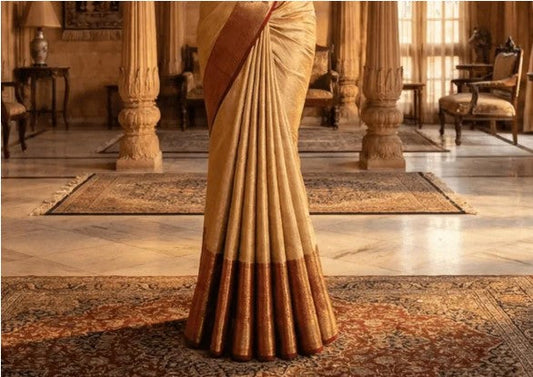
- White or off-white silk with a red border.
- Worn during Durga Puja and religious rituals.
- Undyed silk, considered pure.
10. Korial Saree
- Similar to Garad, with a white or cream body.
- Red or maroon border with rich designs.
- Traditionally worn by brides and at pujas.
11. Murshidabad Silk Saree
- Soft, lightweight silk from Murshidabad.
- Often printed or plain with borders.
- Affordable and elegant.
12. Bishnupur Silk Saree
- Silk from Bishnupur, Bankura district.
- Rich texture with traditional motifs.
- Home to Baluchari weaving too.
13. Malda Silk Saree
- Malda is a major silk-producing district.
- Smooth silk in many designs.
- Good value for money.
14. Matka Silk Saree
- Made from coarse silk waste yarn.
- Thick, textured, and rustic.
- Eco-friendly and durable.
15. Bengal Tussar Saree
- Tussar woven in Bankura and Birbhum.
- Golden, natural texture.
- Elegant for festive wear.
16. Kantha Stitch Saree
- Running-stitch embroidery from Birbhum and Bolpur.
- Shows flowers, birds, and folk scenes.
- Handmade by rural women artisans.
17. Laal Paar Saree
- White saree with a red border.
- Worn on Durga Puja's Sindoor Khela day.
- An iconic symbol of Bengali culture.
18. Shantiniketan Batik Saree
- Wax-resist dyeing made famous by Shantiniketan.
- Artistic crackle patterns.
- Linked to Rabindranath Tagore's art school.
19. Khesh Saree
- Woven from strips of old sarees, from Shantiniketan region.
- Textured and eco-friendly.
- Unique recycled craft.
20. Bengal Muslin Saree
- Very fine, soft handwoven cotton.
- Bengal was historically famous for muslin.
- Now being revived by weavers.
21. Cotton Baluchari Saree
- Baluchari designs woven on cotton instead of silk.
- Lighter and more affordable.
- Keeps the famous story-telling pallu.
22. Meenakari Baluchari Saree
- Baluchari with extra colored threads in the motifs.
- Looks like colorful enamel work.
- Vibrant and festive.
23. Tussar Jamdani Saree
- Jamdani motifs woven on tussar silk.
- Golden base with delicate patterns.
- Rich but light.
24. Silk Jamdani Saree
- Jamdani weaving on pure silk.
- Soft shine and fine details.
- Premium festive wear.
25. Muslin Jamdani Saree
- Jamdani on very fine muslin.
- Extremely light and soft.
- Considered the most refined Jamdani.
26. Matka Jamdani Saree
- Jamdani motifs on coarse matka silk.
- Textured, earthy look.
- Unique blend of rustic and elegant.
27. Tussar Kantha Saree
- Kantha embroidery on tussar silk.
- Colorful stitches on a golden base.
- Popular festive choice.
28. Nakshi Kantha Saree
- Detailed, story-telling Kantha embroidery.
- Nakshi means "artistic patterns."
- Dense, handcrafted designs.
29. Rajbalhat Saree
- Cotton handloom from Rajbalhat, Hooghly district.
- Traditional borders and fine weave.
- Long weaving heritage.
30. Samudragarh Saree
- Handloom from Samudragarh, Purba Bardhaman district.
- Cotton and silk varieties.
- Known for neat, colorful designs.
31. Nabadwip Saree
- Handloom cotton from Nabadwip, Nadia district.
- Soft and comfortable.
- Traditional borders.
32. Patachitra Saree
- Painted with Bengal Patachitra scroll art from Pingla.
- Mythological and folk stories.
- Bright, artistic designs.
33. Kalighat Painting Saree
- Inspired by Kolkata's Kalighat paintings.
- Bold lines and expressive figures.
- Unique, artistic look.
34. Terracotta Motif Saree
- Motifs inspired by Bishnupur's terracotta temples.
- Printed or woven designs.
- Earthy and cultural.
35. Alpana Design Saree
- Inspired by Bengal's alpana floor art.
- White, flowing patterns on colored bases.
- Popular for festivals.
36. Dhakai Jamdani Saree
- Originally from Dhaka, now Bangladesh, but widely sold in Bengal.
- Very fine weaving with intricate motifs.
- Highly prized and expensive.
37. Tant Jamdani Saree
- Tant cotton with Jamdani-style woven motifs.
- Light and decorative.
- Great for summer festivals.
38. Bengal Silk-Cotton Saree
- Blend of silk and cotton.
- Soft and light with a slight shine.
- Ideal for office wear.
39. Bengal Khadi Saree
- Handspun, handwoven khadi cotton.
- Breathable and eco-friendly.
- Simple and comfortable.
40. Kalka Border Tant Saree
- Tant saree with paisley (kalka) border designs.
- Classic Bengali motif.
- Traditional and graceful.
HISTORY
The weaving tradition of West Bengal dates back several centuries. The region became an important center for silk and cotton production during ancient and medieval times. During the Mughal era, weaving and textile crafts flourished, and artisans developed unique weaving techniques that continue to survive today.
Origin Region
West Bengal, particularly:
-
Bishnupur
-
Murshidabad
-
Nadia
-
Hooghly
-
Birbhum
These regions are famous for specialized weaving traditions.
Fabric Used
The commonly used fabrics include:
-
Cotton
-
Silk
-
Muslin
-
Tussar silk
-
Silk-cotton blends
These fabrics contribute to the comfort and elegance of Bengal sarees.
Weaving Technique
Traditional West Bengal sarees are produced using:
-
Handloom weaving
-
Jacquard weaving techniques
-
Jamdani weaving
-
Kantha embroidery methods
These techniques create detailed patterns and artistic designs.
Traditional Motifs
Common motifs found in Bengal sarees include:
-
Flowers
-
Paisleys
-
Mythological scenes
-
Temple designs
-
Birds and animals
-
Geometric patterns
Baluchari sarees are especially famous for narrative motifs depicting stories and scenes.
Natural Dyes and Colors
Traditional colors commonly used include:
-
Red
-
White
-
Blue
-
Green
-
Yellow
-
Maroon
Natural dyes were historically extracted from:
-
Flowers
-
Leaves
-
Plant roots
-
Tree bark
Cultural Significance
West Bengal sarees represent elegance, tradition, and cultural identity. Traditional sarees are an important part of Bengali customs and are commonly worn during festivals and ceremonies.
Festivals and Occasions
Traditional West Bengal sarees are commonly worn during:
-
Durga Puja
-
Poila Boishakh
-
Weddings
-
Religious ceremonies
-
Cultural celebrations
GI Tag Status
Several West Bengal textile products have received GI recognition, including:
-
Baluchari Saree
-
Santipur Saree
-
Bengal Jamdani
-
Murshidabad Silk
These GI tags help preserve authenticity and protect traditional craftsmanship.
How to Identify an Authentic Saree
Authentic West Bengal sarees can be identified through:
-
Fine handwoven texture
-
Detailed motifs and artistic patterns
-
Traditional borders and pallu designs
-
Handloom certification labels
-
High-quality silk or cotton material
Care Instructions
To preserve traditional West Bengal sarees:
-
Hand wash cotton sarees gently
-
Dry clean silk sarees
-
Store in cotton covers
-
Avoid direct sunlight
-
Refold sarees regularly
Interesting Facts
-
Baluchari sarees often depict mythological stories through woven designs.
-
Tant sarees are lightweight and highly comfortable for daily wear.
-
Jamdani weaving is considered one of the finest weaving techniques in the world.
-
West Bengal has a centuries-old tradition of silk and muslin production.
Tags:
Previous
Uttarakhand Sarees and Textile Heritage: Tradition of the Himalayas
Next
What is the history of the saree?
Related articles
Jul 29 2026
A Saree as a Guru – Life Lesson

Jul 25 2026
Chapter 25 – The Science of Comfort l RESSA
Jul 25 2026
