


Jammu & Kashmir Sarees – A Complete Guide to the Textile Heritage
Introduction
Jammu & Kashmir is renowned worldwide for its luxurious textiles, exquisite embroidery, and fine craftsmanship. While the region is traditionally famous for Pashmina shawls, Kashmiri wool, and embroidered garments rather than a native saree tradition, Kashmiri-inspired sarees have become highly sought after across India. These sarees feature elegant Sozni embroidery, Aari work, papier-mâché motifs, and premium fabrics such as silk and Pashmina, reflecting the timeless beauty of the Kashmir Valley.
Famous Sarees
1. Kashmiri Sozni Embroidered Saree
-
Fine hand embroidery using silk threads
-
Elegant floral and paisley motifs
-
Lightweight and luxurious
2. Pashmina Saree
-
Crafted from premium Pashmina wool blends
-
Soft, warm, and exceptionally fine
-
Ideal for winter weddings and formal occasions
3. Aari Work Saree
-
Intricate chain-stitch embroidery
-
Rich floral patterns
-
Popular for festive and bridal wear
4. Silk Kashmiri Saree
-
Premium silk fabric
-
Traditional Kashmiri embroidery
-
Graceful and timeless
5. Crepe Kashmiri Saree
-
Soft flowing fabric
-
Delicate embroidered borders
-
Suitable for formal events
6. Dorukha Saree
- Dorukha means "two-sided," so the embroidery looks the same on both sides.
- Needs great skill, since no knots or loose threads can show.
-
Rare and expensive, usually made on pashmina.
7.Amlikar Saree
- Embroidered by hand to look like a woven Kani design.
- Uses very fine, dense needlework that covers much of the fabric.
- Slightly more affordable than a true Kani piece but still highly crafted.
8.Kashida Saree
- Kashida is the general name for traditional Kashmiri hand embroidery.
- Motifs include chinar leaves, birds, almonds, and flowers.
- Usually uses one or two thread colors for a graceful look.
9.Crewel Embroidery Saree
- Embroidered with wool yarn, giving a raised, textured feel.
- Bold nature-inspired designs similar to Aari work.
- More common on curtains and cushions, so sarees are harder to find.
10.Raffal (Fine Wool) Saree
- Made from fine Kashmiri wool, cheaper than pashmina.
- Warm and practical for everyday winter wear.
- Often has Aari or Sozni embroidered borders.
11.Semi-Pashmina Saree
- A blend of pashmina with silk or wool.
- Keeps much of the softness at a lower price.
- Good middle-range choice for gifting.
12.Kashmiri Georgette Saree
- Light georgette base with Aari or Tilla embroidery.
- Easy to drape and comfortable in warmer weather.
- Popular with buyers outside Kashmir for parties and functions.
13.Kani Saree
- Woven using small wooden sticks called kanis.
- Made mainly in Kanihama village near Srinagar, with a GI tag.
- Takes months to weave, so it's highly valued.
14.Sozni Saree
- Fine, delicate hand embroidery with thin needles.
- Features paisleys, flowers, and vines.
- Usually done on pashmina or silk.
15.Aari Saree
- Chain-stitch embroidery made with a hooked needle.
- Bold floral designs like chinar leaves and roses.
- Most widely available and affordable Kashmiri saree.
16.Tilla Saree
- Embroidered with gold or silver metallic thread.
- A favorite for Kashmiri weddings and festivals.
- Often combined with Aari or Sozni work.
17.Jamawar Saree
- Rich, all-over woven paisley patterns.
- Historically a royal Kashmiri fabric.
- Heavy silk-wool blend with a luxurious drape.
18.Basohli Pashmina Saree (Jammu)
- From Basohli in Kathua district, Jammu region.
- GI-tagged for its fine, feather-light weaving.
- Jammu's most famous textile, though shawls are more common than sarees.
19.Dorukha Saree
- Embroidery looks identical on both sides.
- Requires great skill, with no knots or loose threads.
- Rare and costly, usually on pashmina.
20.Amlikar Saree
- Hand embroidery that imitates a woven Kani design.
- Very dense, fine needlework.
- Cheaper than true Kani but still a premium craft.
21.Kashida Saree
- Kashida is the traditional name for Kashmiri hand embroidery.
- Motifs include birds, almonds, flowers, and chinar leaves.
- Usually in one or two thread colors for a graceful look.
22.Crewel Embroidery Saree
- Embroidered with wool yarn, giving a raised texture.
- Bold nature-inspired designs.
- More common on furnishings, so sarees are rarer.
23.Papier-mâché Embroidery Saree
- Inspired by colorful Kashmiri papier-mâché art.
- Dense, multicolored embroidery.
- Bright and eye-catching for festive wear.
24. Kashmiri Silk Saree
- Made from soft silk produced in Kashmir.
- Decorated with Aari, Sozni, or Tilla work.
- Comfortable for all seasons.
25. Raffal Wool Saree
- Made from fine Kashmiri wool.
- Cheaper than pashmina but still warm.
- Good for everyday winter wear.
26. Semi-Pashmina Saree
- Pashmina blended with silk or wool.
- Soft feel at a lower price.
- Popular choice for gifting.
27. Chinar Motif Saree
- Features the chinar leaf, symbol of Kashmir.
- Made with Aari, Sozni, or Tilla embroidery.
- A souvenir with clear Kashmiri identity.
28. Jammu Silk Saree
- Jammu has a long tradition of silk production.
- Simple and lighter than Kashmiri embroidered sarees.
- Affordable for office or daily wear.
29. Kashmiri Velvet Tilla Saree
- Tilla (gold/silver thread) embroidery done on a velvet base.
- Very warm and rich, ideal for Kashmiri winter weddings.
- Looks royal and is often worn as bridal or reception wear.
30. Kashmiri Georgette Aari Saree
- Aari chain-stitch embroidery done on light georgette.
- Easy to drape and comfortable in warmer weather.
- One of the most popular Kashmiri sarees sold outside the state.
History
Jammu & Kashmir's textile heritage dates back to the 15th century, when Sultan Zain-ul-Abidin encouraged skilled artisans from Central Asia and Persia to settle in the Kashmir Valley. Their expertise enriched local weaving and embroidery traditions, giving rise to the world-famous Pashmina weaving, Sozni embroidery, and Aari craftsmanship. Although sarees were not the traditional attire of the region, these celebrated techniques are now beautifully incorporated into modern sarees.
Origin Region
Major textile and embroidery centers include:
-
Srinagar
-
Budgam
-
Baramulla
-
Ganderbal
-
Anantnag
-
Pulwama
-
Jammu
-
Kupwara
Fabric Used
-
Pashmina Wool
-
Silk
-
Crepe
-
Georgette
-
Cotton
-
Wool-Silk Blend
-
Cotton-Silk Blend
Weaving Technique
Pashmina Weaving
Fine Pashmina fibres are hand-spun and woven into lightweight, luxurious fabrics.
Handloom Weaving
Traditional looms are used to create high-quality silk and wool textiles.
Sozni Embroidery
An intricate needlework technique using fine silk threads to create delicate floral patterns.
Aari Embroidery
A hooked needle is used to produce chain-stitch embroidery with detailed motifs.
Papier-Mâché Inspired Design
Traditional Kashmiri floral artwork is adapted into woven and embroidered saree patterns.
Traditional Motifs
Jammu & Kashmir sarees commonly feature:
-
Paisley (Kairi)
-
Chinar leaves
-
Lotus
-
Almond blossoms
-
Tulips
-
Floral vines
-
Cypress trees
-
Rose motifs
-
Mughal garden designs
-
Delicate creepers
Natural Dyes & Colors
Historically, artisans used natural dyes derived from Himalayan plants and minerals.
Natural dye sources include:
-
Saffron – Golden Yellow
-
Walnut Bark – Brown
-
Indigo – Blue
-
Madder Root – Red
-
Pomegranate Rind – Beige
-
Local herbs – Green
Popular saree colours include:
-
Ivory
-
Cream
-
White
-
Maroon
-
Burgundy
-
Emerald Green
-
Navy Blue
-
Black
-
Mustard
-
Wine
Cultural Significance
Kashmiri textiles symbolize elegance, refinement, and centuries of artistic excellence. Embroidered sarees are worn during weddings, festivals, religious ceremonies, and formal occasions. They showcase the region's world-renowned embroidery techniques while supporting the livelihoods of skilled artisans who continue to preserve these traditional crafts.
Festivals & Occasions
Jammu & Kashmir sarees are commonly worn during:
-
Eid-ul-Fitr
-
Eid-ul-Adha
-
Navreh (Kashmiri New Year)
-
Diwali
-
Lohri
-
Tulip Festival
-
Weddings
-
Religious ceremonies
-
Cultural festivals
-
Family celebrations
GI Tag Status
|
Saree / Textile |
GI Status |
|
Kashmir Pashmina |
GI Registered |
|
Kani Shawl |
GI Registered |
Current Status: Jammu & Kashmir does not have a GI-registered traditional saree. However, its world-famous Pashmina and Kani Shawls have GI protection and inspire many luxury sarees.
How to Identify an Authentic Jammu & Kashmir Saree
-
Fine hand embroidery with intricate detailing.
-
Soft, premium-quality silk or Pashmina fabric.
-
Traditional Kashmiri floral and Chinar motifs.
-
Slight natural variations indicating handcrafted work.
-
Genuine Pashmina products often carry GI or authenticity certification.
-
Purchase from certified government emporiums, artisan cooperatives, or trusted handloom retailers.
Care Instructions
-
Dry clean silk and Pashmina sarees.
-
Store wrapped in muslin or cotton cloth.
-
Keep away from moisture and direct sunlight.
-
Avoid spraying perfume directly on the fabric.
-
Fold carefully and refold periodically.
-
Iron on low heat using a protective cloth.
-
Store Pashmina with natural moth repellents such as cedar or neem.
Interesting Facts
-
Kashmir Pashmina is one of the world's finest natural fibres and is obtained from the undercoat of the Changthangi goat found in the Himalayan region.
-
Sozni embroidery is so intricate that completing a single masterpiece can take several months.
-
The iconic Chinar leaf is one of the most recognizable motifs in Kashmiri textiles.
-
Sultan Zain-ul-Abidin played a major role in promoting Kashmir's textile and embroidery traditions.
-
Kashmiri embroidery is admired globally for its precision, elegance, and artistic excellence.
-
Many luxury bridal sarees feature authentic Kashmiri Aari or Sozni embroidery.
-
Jammu & Kashmir's textile heritage continues to support thousands of skilled artisan families while preserving one of India's most celebrated craft traditions.
Tags:
Previous
Himachal Pradesh Sarees – A Complete Guide to the Textile Heritage
Next
Jharkhand Sarees – A Complete Guide to the Rich Textile Heritage
Related articles
Jul 29 2026
A Saree as a Guru – Life Lesson
Jul 25 2026
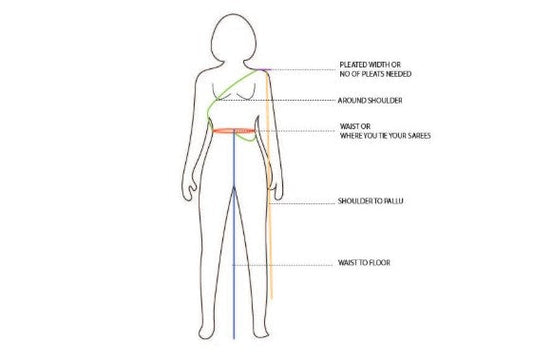
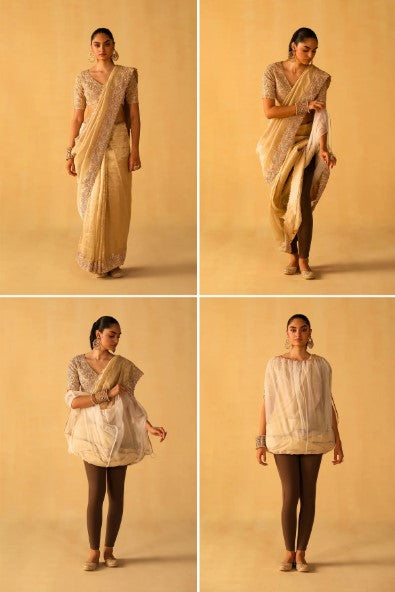
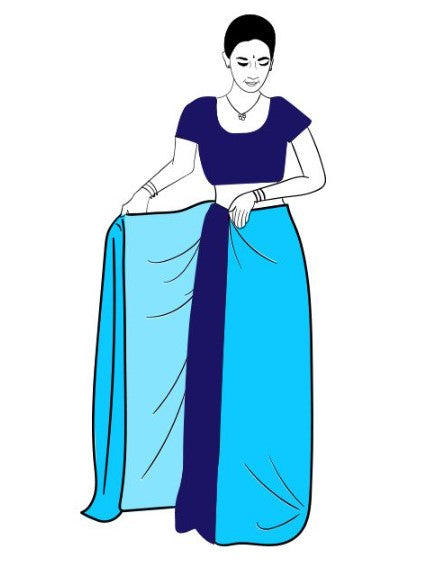
Chapter 25 – The Science of Comfort l RESSA
Jul 25 2026
