


Uttar Pradesh Sarees: A Heritage of Elegance and Timeless Craftsmanship
Introduction
Uttar Pradesh is one of India’s most important centers of textile and handloom traditions. The state is famous for producing some of the most elegant and luxurious sarees in India. Known for intricate weaving, rich fabrics, and detailed embroidery, Uttar Pradesh has preserved centuries-old textile traditions that continue to attract admirers across the world.
Famous Sarees
Banarasi Sarees (Varanasi)
1. Katan Banarasi Saree
- Made from pure silk threads twisted together.
- Smooth, rich texture with zari work.
- The classic Banarasi bridal saree, GI-tagged.
2. Kora (Organza) Banarasi Saree
- Sheer silk organza with zari weaving.
- Light and crisp with a glamorous look.
- Popular for parties and summer weddings.
3. Georgette Banarasi Saree
- Banarasi weaving on soft georgette.
- Lightweight and flowing.
- Easier to drape than heavy silk.
4. Shattir Banarasi Saree
- Made from a lighter, simpler silk fabric.
- More affordable Banarasi option.
- Good for modern and everyday designs.
5. Jangla Banarasi Saree
- Features dense floral vines covering the whole saree.
- Jangla comes from "jungle," meaning lush patterns.
- One of the oldest Banarasi designs.
6. Tanchoi Banarasi Saree
- Dense woven patterns with colored silk threads.
- Inspired by Chinese weaving techniques.
- Smooth and rich without heavy zari floats.
7. Cutwork Banarasi Saree
- Loose threads are cut away after weaving to create motifs.
- Lighter and more affordable.
- Looks similar to Jamdani work.
8. Tissue Banarasi Saree
- Woven with zari in the weft for a golden shimmer.
- Looks like it's glowing in light.
- Popular for festive and bridal wear.
9. Butidar Banarasi Saree
- Covered with small woven motifs called butis.
- Often uses gold, silver, and silk threads.
- Classic and elegant design.
10. Jamdani Banarasi Saree
- Floating motifs woven on silk or cotton.
- Light and airy.
- Traditional cotton-silk blend variety.
11. Kadhua Banarasi Saree
- Each motif is woven separately by hand.
- Back side is neat, with no loose threads.
- Very labor-intensive and premium.
12. Meenakari Banarasi Saree
- Colored threads added to zari designs.
- Looks like enamel (meena) jewelry work.
- Colorful and festive.
13. Shikargah Banarasi Saree
- Features hunting scenes with animals and hunters.
- Shikargah means "hunting ground."
- Rare, royal-style design.
14. Jaal Banarasi Saree
- Net-like (jaal) patterns across the body.
- Motifs are placed inside the net design.
- Rich, symmetrical look.
15. Konia Banarasi Saree
- Motifs placed at the corners (kona) of the saree.
- Usually paisley or flower designs.
- Traditional and graceful.
16. Rangkat Banarasi Saree
- Different colored bands woven into one saree.
- Colors shift across the fabric.
- Modern yet traditional look.
17. Kinkhab Banarasi Saree
- Very heavy brocade with dense gold and silver zari.
- Once reserved for royalty.
- Luxurious and expensive.
18. Tussar Banarasi Saree
- Banarasi weaving on tussar silk.
- Natural textured, golden base.
- Earthy yet festive look.
Lucknow Sarees
19. Chikankari Saree
- Delicate white-thread hand embroidery, GI-tagged.
- Done on georgette, chiffon, and cotton.
- Elegant for summer and daytime events.
20. Mukaish (Kamdani) Saree
- Small metal-wire embroidery that sparkles.
- Often combined with Chikankari.
- Subtle glamour for parties.
21. Lucknow Zardozi Saree
- Heavy metallic embroidery with beads and sequins.
- Lucknow Zardozi is GI-tagged.
- Royal look for weddings.
Other Regions
22. Mubarakpur Silk Saree (Azamgarh)
- Mubarakpur is a major silk weaving center.
- Banarasi-style sarees at lower prices.
- Rich designs with zari borders.
23. Mau Saree (Mau)
- Mau is a big handloom and powerloom hub.
- Produces silk and synthetic sarees.
- Affordable and widely sold.
24. Tanda Handloom Saree (Ambedkar Nagar)
- Tanda is known for handloom weaving.
- Cotton and synthetic sarees.
- Simple and practical designs.
25. Farrukhabad Block Print Saree
- Hand-block printed textiles, GI-tagged.
- Fine floral and paisley designs.
- Traditional and colorful.
26. Pilkhuwa Print Saree
- Hand-block printing from Pilkhuwa, near Hapur.
- Bold, colorful designs on cotton.
- Affordable, everyday sarees.
27. Bareilly Zari-Zardozi Saree
- Bareilly is famous for zari and zardozi embroidery.
- Heavy, sparkling metallic designs.
- Popular for weddings and festive wear.
28. Khaddi Georgette Banarasi Saree
- Handwoven georgette on a traditional khaddi (pit loom).
- Richer and more textured than regular georgette.
- Very popular for weddings and festive wear.
29. Banarasi Satin Saree
- Banarasi weaving on smooth, glossy satin silk.
- Shiny finish with zari or resham motifs.
- Elegant for evening events.
30. Banarasi Chiffon Saree
- Banarasi motifs on lightweight chiffon.
- Soft, flowing, and easy to drape.
- Good for summer parties.
31. Banarasi Jamawar Saree
- Paisley and floral designs inspired by Kashmiri Jamawar shawls.
- Woven with colorful silk threads.
- Rich, all-over pattern.
32. Banarasi Mashru Saree
- Silk on the outside, cotton on the inside.
- Historically made so that silk didn't touch the skin.
- Striped designs with a soft feel.
33. Banarasi Silk-Cotton Saree
- Blend of silk and cotton threads.
- Lighter and cheaper than pure silk.
- Comfortable for office and daily use.
34. Banarasi Handloom Cotton Saree
- Pure cotton woven on Banarasi handlooms.
- Breathable and easy to care for.
- Simple buti or zari border designs.
35. Chikankari with Mukaish Saree
- Combines white chikan embroidery with sparkling mukaish work.
- Subtle yet festive look.
- Popular for evening functions.
36. Tepchi Chikankari Saree
- Uses the tepchi running stitch, one of the basic chikan stitches.
- Light, simple patterns.
- More affordable Chikankari option.
37. Bakhiya (Shadow Work) Chikankari Saree
- Embroidery done on the back of sheer fabric.
- Creates a soft shadow effect on the front.
- The most famous and elegant chikan style.
38. Phanda Chikankari Saree
- Features tiny, round knots.
- Often used to make flower centers.
- Gives a raised, textured look.
39. Murri Chikankari Saree
- Rice-grain-shaped knots.
- One of the hardest chikan stitches.
- Premium pieces feature fine murri work.
40. Jaali Chikankari Saree
- Net-like patterns made by pulling threads apart, not cutting.
- Delicate, see-through designs.
- Very elegant on georgette and cotton.
41. Hool Chikankari Saree
- Fine eyelet stitch that makes small holes.
- Often used for flower centers.
- Adds a light, airy feel.
42. Keel Kangan Chikankari Saree
- Stitch shaped like a nail and bangle.
- Used for flower petals.
- Traditional and decorative.
43. Zanzeera Chikankari Saree
- A small chain stitch.
- Used to outline designs.
- Neat and delicate look.
44. Rahet Chikankari Saree
- A stem stitch done on the reverse of the fabric.
- Creates a solid line on the front.
- Common in outline patterns.
45. Khatao Chikankari Saree
- Appliqué work, with fabric pieces sewn onto the saree.
- Creates bold, soft motifs.
- Lighter look than dense embroidery.
46. Pechni Chikankari Saree
- Thread is wrapped around running stitches.
- Makes a slightly raised, twisted line.
- Adds depth to simple patterns.
47. Ghaas Patti Chikankari Saree
- V-shaped stitches that look like blades of grass.
- Used for leaves and borders.
- Natural and graceful designs.
48. Kaudi Chikankari Saree
- Stitch shaped like a cowrie shell.
- Used in floral and border designs.
- Traditional, decorative look.
49. Turpai Chikankari Saree
- Very fine stitch that looks like a thin thread line.
- Used for delicate outlines.
- Gives a clean, refined finish.
50. Banarsi Stitch Chikankari Saree
- A chikan stitch (not Banarasi weaving) with small diagonal stitches.
- Done on the back of the fabric.
- Used to fill in motifs neatly.
Origin Region
Uttar Pradesh, particularly:
-
Varanasi (Banaras)
-
Lucknow
-
Mubarakpur
-
Mau
-
Azamgarh
These regions are important centers for weaving and embroidery traditions.
Fabric Used
The commonly used fabrics include:
-
Silk
-
Cotton
-
Organza
-
Georgette
-
Tissue fabric
-
Silk blends
These materials create luxurious and elegant sarees.
Weaving Technique
Traditional Uttar Pradesh sarees are produced using:
-
Handloom weaving
-
Brocade weaving techniques
-
Zari weaving
-
Chikankari embroidery
-
Jacquard weaving methods
Banarasi sarees are especially famous for intricate gold and silver zari work.
Traditional Motifs
Common motifs found in Uttar Pradesh sarees include:
-
Floral vines
-
Paisleys
-
Mughal-inspired patterns
-
Lotus designs
-
Leaves and birds
-
Jaal and buti designs
These motifs reflect Persian and Indian artistic influences.
Natural Dyes and Colors
Traditional colors commonly used include:
-
Red
-
Green
-
Maroon
-
Blue
-
Gold combinations
-
Pink
Historically, natural dyes were extracted from:
-
Flowers
-
Plant roots
-
Leaves
-
Tree bark
Cultural Significance
Uttar Pradesh sarees symbolize luxury, grace, and cultural heritage. Banarasi sarees are especially important in Indian weddings and are often considered a symbol of prosperity and tradition.
Festivals and Occasions
Traditional Uttar Pradesh sarees are commonly worn during:
-
Diwali
-
Holi
-
Weddings
-
Religious ceremonies
-
Cultural celebrations
GI Tag Status
Several textile products from Uttar Pradesh have GI recognition, including:
-
Banarasi Brocades and Sarees
-
Lucknow Chikan Craft
These GI tags help preserve authenticity and protect traditional craftsmanship.
How to Identify an Authentic Saree
Authentic Uttar Pradesh sarees can be identified through:
-
Rich zari work
-
Fine silk texture
-
Detailed weaving patterns
-
Handloom or Silk Mark certification labels
-
Traditional motifs and borders
Care Instructions
To preserve traditional Uttar Pradesh sarees:
-
Dry clean silk sarees
-
Store in cotton cloth covers
-
Avoid direct sunlight
-
Refold sarees periodically
-
Keep away from moisture
Interesting Facts
-
Banarasi sarees are among the most expensive and luxurious sarees in India.
-
Some Banarasi sarees can take weeks or even months to weave.
-
Mughal art strongly influenced Banarasi designs.
-
Banarasi sarees are commonly used in Indian bridal wear.
Tags:
Previous
Tripura Traditional Sarees and Textile Heritage
Next
Uttarakhand Sarees and Textile Heritage: Tradition of the Himalayas
Related articles
Jul 29 2026
A Saree as a Guru – Life Lesson
Jul 25 2026
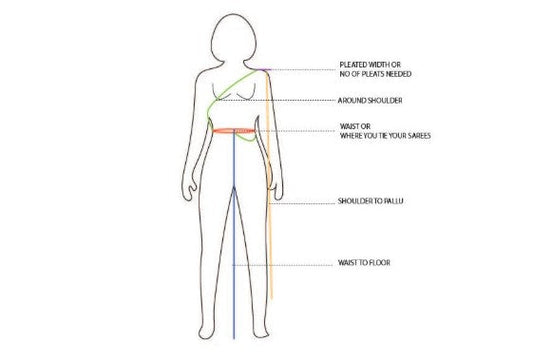
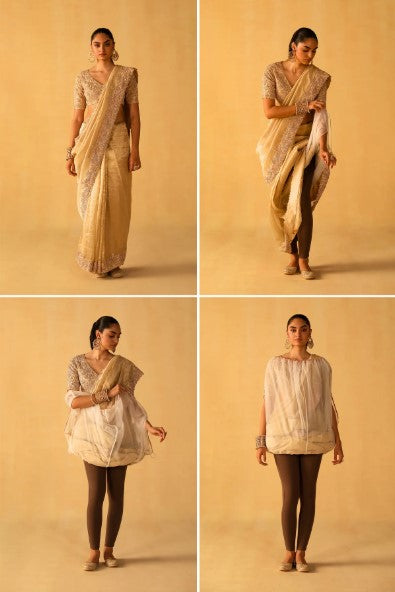
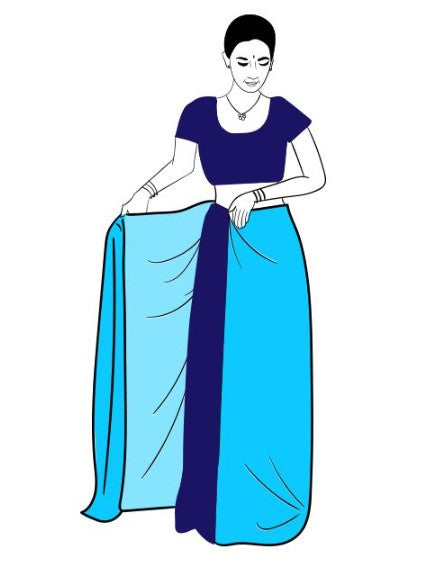
Chapter 25 – The Science of Comfort l RESSA
Jul 25 2026
