


Rajasthan Sarees: A Colorful Heritage of Tradition and Craftsmanship
Introduction
Rajasthan, the “Land of Kings,” is famous for its royal history, vibrant culture, and magnificent textile traditions. The state is one of India’s most important centers for handloom and handicraft industries. Rajasthan’s sarees are admired for their bright colors, intricate patterns, traditional dyeing methods, and artistic embroidery, reflecting the grandeur of Rajput culture and desert traditions.
Famous Sarees
Rajasthan is well known for several traditional sarees, including:
-
Bandhani Saree
-
Leheriya Saree
-
Kota Doria Saree
-
Mothra Saree
-
Printed Sanganeri Saree
-
Bagru Block Print Saree
Among these, Bandhani and Kota Doria sarees are among the most famous textile products of the state.
1. Bandhani (Bandhej) Saree
- Tie-dye with tiny dotted patterns made by tying small knots.
- Famous in Jaipur, Jodhpur, and Bikaner.
- Bright colors, worn at weddings and festivals.
2. Leheriya Saree
- Tie-dye with wave-like diagonal stripes.
- Leher means "wave," inspired by desert sand dunes.
- Traditionally worn during Teej and monsoon.
3. Mothda Saree
- A tie-dye style where diagonal stripes cross to form small checks.
- Looks like tiny lentil (moth) grains, hence the name.
- A more complex variation of Leheriya.
4. Panchrangi Leheriya Saree
- Leheriya dyed in five colors (panch rang).
- Considered auspicious and festive.
- Popular for Teej and family celebrations.
5. Pomcha Saree
- Yellow base with a red border and lotus-style motifs.
- Traditionally given to a new mother by her parents.
- Symbolizes joy and blessings for the newborn.
6. Chunri Saree
- Tie-dye with small dot clusters, usually in red.
- Linked to religious offerings and festive occasions.
- Often has gota or zari borders.
7. Kota Doria Saree
- Light, airy cotton-silk weave with checked pattern (khat).
- Woven around Kota, GI-tagged.
- Perfect for hot summers.
8. Kota Silk Saree
- Kota weave made fully or mostly in silk.
- Sheer, lightweight, with a soft sheen.
- Often decorated with zari or block prints.
9. Gota Patti Saree
- Gold or silver ribbon appliqué work.
- Traditionally made in Jaipur and Udaipur.
- Festive shine for weddings and parties.
10. Sanganeri Print Saree
- Hand-block printed in Sanganer, near Jaipur.
- Delicate floral motifs on white or light backgrounds.
- GI-tagged and very popular in cotton.
11. Bagru Print Saree
- Block printing from Bagru village using natural dyes.
- Earthy colors like indigo, rust, and black.
- GI-tagged, with bold, traditional motifs.
12. Dabu Print Saree
- Mud-resist printing technique from Akola and Bagru.
- Mud paste is applied before dyeing, creating crackled patterns.
- Usually in indigo, giving an earthy look.
13. Akola Print Saree
- Block printing from Akola village in Chittorgarh.
- Known for Dabu and natural-dye prints.
- Handmade, eco-friendly, and rustic in look.
14. Barmer Ajrakh Saree
- Block-printed saree from Barmer with geometric patterns.
- Deep indigo and madder-red colors.
- Shares heritage with Sindhi Ajrakh traditions.
15. Mirror Work (Sheesha) Saree
- Small mirrors stitched onto the fabric.
- Popular in Barmer and western Rajasthan.
- Sparkly and festive, often combined with embroidery.
16. Pila Saree
- Yellow saree inspired by the traditional pila odhni.
- Worn by new mothers during childbirth celebrations.
- Considered auspicious and full of blessings.
17. Marori Embroidery Saree
- Rajasthani embroidery with twisted, raised thread work.
- Often combined with gota and zari.
- Gives a rich, textured look.
18. Zardozi Saree
- Heavy metallic thread embroidery with beads and sequins.
- Made in Jaipur for bridal and festive wear.
- Royal and luxurious in appearance.
19. Pichhwai Painted Saree
- Features art inspired by Pichhwai paintings from Nathdwara.
- Shows Lord Krishna, cows, and lotus motifs.
- A modern artistic way to wear Rajasthani heritage.
20. Phad Painted Saree
- Inspired by Phad scroll paintings from Bhilwara.
- Bold figures and folk stories in bright colors.
- Handpainted and unique, great as an art piece.
21. Satrangi Leheriya Saree
- Leheriya dyed in seven colors (saat rang).
- Looks like a rainbow of wavy stripes.
- Very popular for Teej and summer festivals.
22. Ekdali Bandhani Saree
- Bandhani with single, evenly spaced dots.
- Simple and elegant compared to dense bandhani.
- Good for daily or light festive wear.
23. Chaubundi Bandhani Saree
- Each motif is made of four dots grouped together.
- Creates neat, repeating patterns.
- A classic bandhani design style.
24. Shibori Saree
- Tie-dye using folding, stitching, and binding techniques.
- Practiced widely by Jaipur artisans.
- Produces abstract, flowing patterns.
25. Kota Tissue Saree
- Kota weave with metallic tissue threads.
- Shiny and lightweight for festive use.
- Keeps Kota's airy feel with extra glamour.
26. Kota Zari Check Saree
- Kota Doria with zari woven into the checks.
- Adds a festive sparkle to a light fabric.
- Great for summer weddings.
27. Jaisalmer Pattu Saree
- Inspired by pattu weaving of western Rajasthan.
- Features geometric designs in wool or cotton.
- A rare handloom tradition from the desert region.
28. Kundan and Stone Work Saree
- Decorated with kundan stones and crystals.
- Influenced by Jaipur's famous kundan jewelry.
- Glamorous for weddings and receptions.
29. Sequin (Sitara) Work Saree
- Covered with small shiny sequins.
- Often done with gota or zari work.
- Popular for evening parties.
30. Jodhpuri Bandhej Saree
- Bandhani in Jodhpur's bold and bright color style.
- Often in red, pink, and yellow combinations.
- A regional favorite for weddings and festivals.
History
The history of Rajasthan’s textile traditions dates back several centuries. Ancient rulers and royal families promoted textile arts, embroidery, and dyeing techniques. Skilled artisans developed unique methods such as tie-dye and block printing, which gradually became an important part of Rajasthan’s cultural identity.
Origin Region
Rajasthan, particularly:
-
Jaipur
-
Jodhpur
-
Udaipur
-
Kota
-
Bikaner
-
Sikar
These regions are renowned for different weaving and printing traditions.
Fabric Used
Commonly used fabrics include:
-
Cotton
-
Silk
-
Georgette
-
Chiffon
-
Kota cotton
-
Silk-cotton blends
These materials provide comfort while supporting traditional dyeing and embroidery work.
Weaving Technique
Traditional Rajasthan sarees involve several specialized techniques:
-
Handloom weaving
-
Tie-and-dye (Bandhani) technique
-
Leheriya dyeing method
-
Block printing
-
Embroidery work
These techniques create distinctive patterns and artistic designs.
Traditional Motifs
Common motifs found in Rajasthan sarees include:
-
Floral patterns
-
Paisleys
-
Peacocks
-
Waves
-
Geometric designs
-
Traditional Rajput motifs
These patterns are inspired by nature and royal artistic traditions.
Natural Dyes and Colors
Traditionally used colors include:
-
Red
-
Yellow
-
Orange
-
Blue
-
Green
-
Pink
Natural dyes were historically extracted from:
-
Flowers
-
Leaves
-
Plant roots
-
Tree bark
Bright colors became especially popular due to Rajasthan’s desert landscape and festive culture.
Cultural Significance
Rajasthan sarees symbolize cultural identity, celebration, and tradition. They are worn during weddings, festivals, and important social events. Bright colors and elaborate designs often represent joy, prosperity, and regional customs.
Festivals and Occasions
Traditional Rajasthan sarees are commonly worn during:
-
Teej
-
Gangaur
-
Weddings
-
Religious ceremonies
-
Cultural celebrations
GI Tag Status
Several traditional textile products from Rajasthan have received GI recognition, including:
-
Kota Doria
-
Bagru Hand Block Print
-
Sanganeri Hand Block Printing
These GI tags help preserve authenticity and protect traditional craftsmanship.
How to Identify an Authentic Saree
Authentic Rajasthan sarees can be identified through:
-
Fine handloom texture
-
Distinct tie-dye or block-print patterns
-
Traditional motifs and borders
-
Artisan certification labels
-
Slight handmade irregularities
Care Instructions
To preserve Rajasthan handwoven sarees:
-
Hand wash gently using mild detergent
-
Dry in shade
-
Avoid harsh chemicals
-
Store wrapped in cotton fabric
-
Keep embroidered or delicate sarees folded carefully
Interesting Facts
-
Bandhani is among India’s oldest tie-and-dye techniques.
-
Leheriya patterns resemble flowing waves.
-
Some Bandhani sarees contain thousands of tiny hand-tied knots.
-
Rajasthan’s textile traditions are influenced by royal heritage and desert culture.
Tags:
Previous
Punjab Sarees: Tradition, Elegance, and Cultural Heritage
Next
Sikkim Traditional Sarees and Textile Heritage
Related articles
Jul 29 2026
A Saree as a Guru – Life Lesson
Jul 25 2026
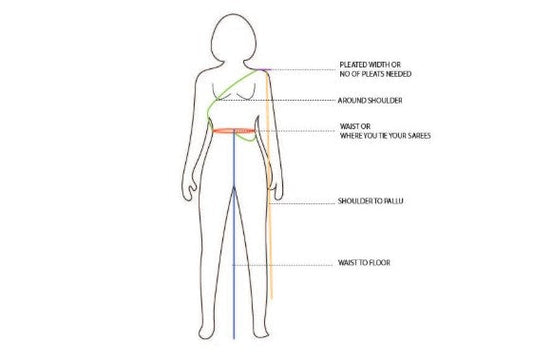
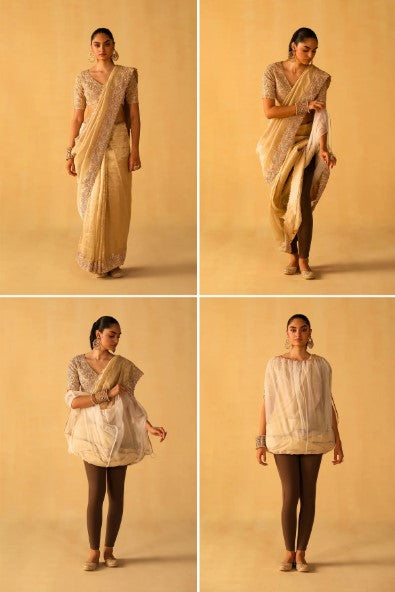
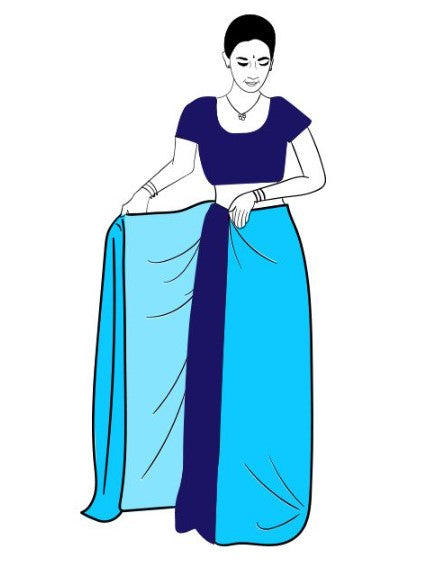
Chapter 25 – The Science of Comfort l RESSA
Jul 25 2026
