


Two Thrones of Indian Silk
If Banarasi is the queen of North Indian silk, Kanjivaram is her Southern counterpart — equally regal, equally complex, and fiercely distinct. Both are GI-tagged, both are bridal staples, and both command prices that reflect decades of craft mastery. But ask a weaver, and they will tell you these two sarees are as different as the cultures that created them.
The Silk Itself
Kanjivaram sarees are woven from pure mulberry silk with a thread count and weight that gives the fabric its characteristic stiffness and sheen. The silk is sourced primarily from Karnataka and processed in Kanchipuram, Tamil Nadu. Banarasi silk, by contrast, is finer and more fluid — often blended with satin or georgette bases — giving it a softer drape that Kanjivaram cannot replicate.
The Zari Tradition
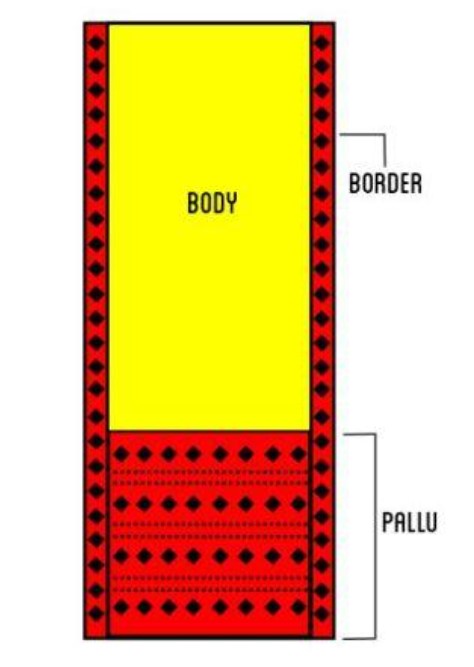
Both sarees use zari (metallic thread), but the technique differs significantly. Kanjivaram uses a korvai technique where the border and body are woven separately on different shuttles and then interlocked — you can literally see the join if you look closely. Banarasi zari work is integrated into the body using a meenakari or kadwa technique, creating seamless patterns that flow across the entire saree.
Motif Language
Kanjivaram motifs draw from South Indian temple architecture — gopuram towers, elephants, horses, and rudraksha beads. Banarasi motifs are rooted in Mughal aesthetics — floral jaals, paisleys, and intricate lattice work. One speaks the language of Dravidian devotion; the other, of Mughal grandeur.
Weight and Drape
A Kanjivaram saree can weigh between 700g and 1.2kg — substantial enough to hold its shape through an entire wedding ceremony. Banarasi sarees are lighter and more fluid, making them easier to drape in complex styles. Weavers say this difference is intentional: Kanjivaram was designed for temple rituals where structure matters; Banarasi for courtly elegance where movement is everything.
The Weaver's Pride
Speak to a Kanchipuram weaver and they will show you the interlocked border with quiet pride. Speak to a Banarasi karigar and they will point to the density of their zari work — sometimes 2,000 threads per inch. Both are right to be proud. These are not competing traditions; they are parallel peaks of the same mountain.
Which Should You Choose?
For a South Indian wedding or temple occasion: Kanjivaram. For a North Indian celebration or evening event: Banarasi. For a collector who understands Indian textiles: both, without question.
Tags:
Previous
The Secret Language of Banarasi Brocade Motifs
Next
The Dying Art of Jamdani — Can It Be Saved?
Related articles
Jul 29 2026
A Saree as a Guru – Life Lesson

Jul 25 2026
Chapter 25 – The Science of Comfort l RESSA
Jul 25 2026
